
Guide
Why Bradenton's Older Garage Doors Need Different Care
In Bradenton, most homes date to the 1960s and 70s, and original garage doors on those older houses are past due for a real look, not a quick tune-up.
Local detail
The Problem
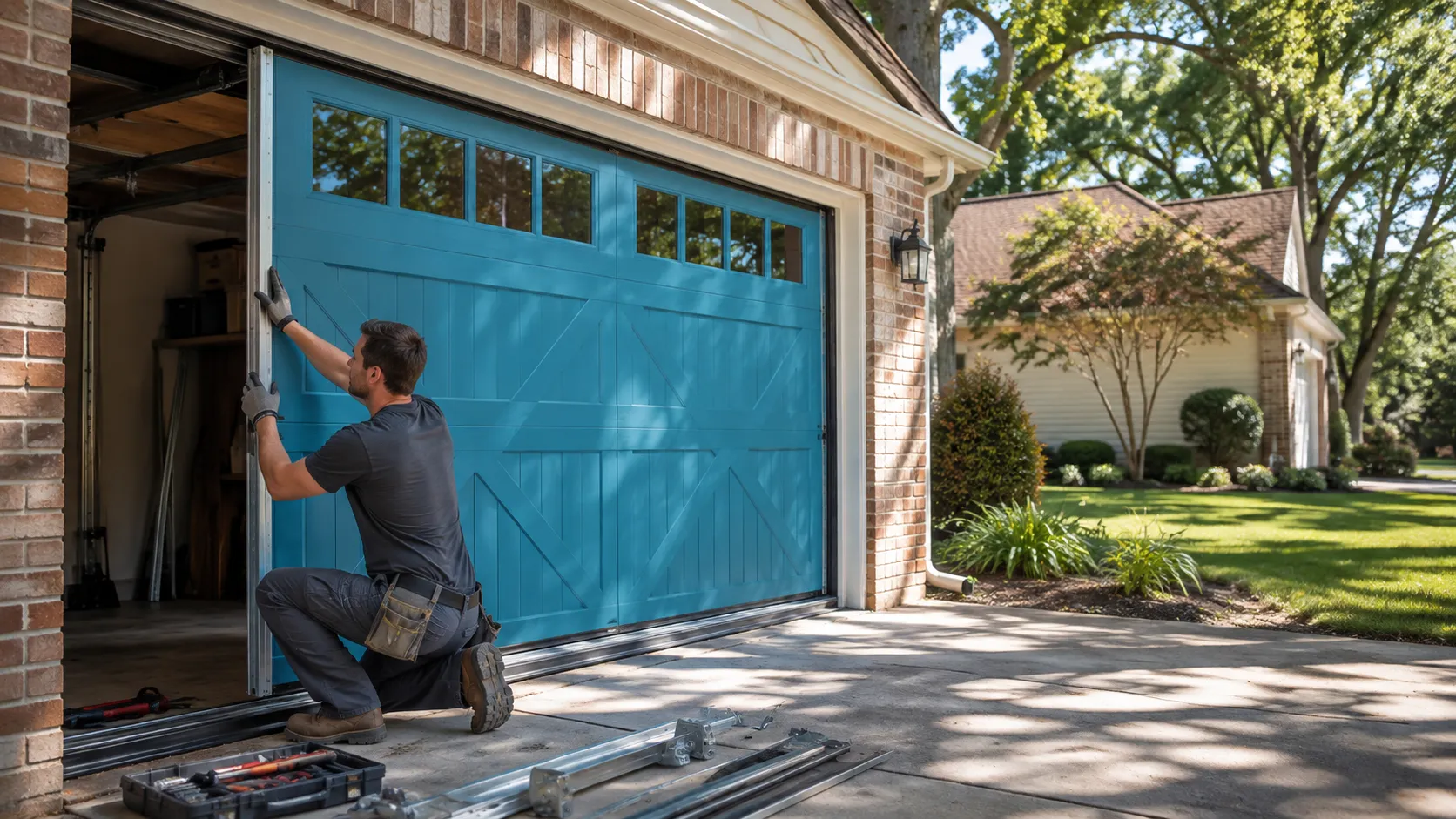
Housing in this service area went up mostly between 1964 and 2012, with the typical build year landing around 1976. That means a large share of the doors we get called on are original equipment - single-layer steel or wood panel doors on houses built before insulation rules ever touched a garage door code. These doors were never designed to hold heat or cold, because nobody was asking them to.
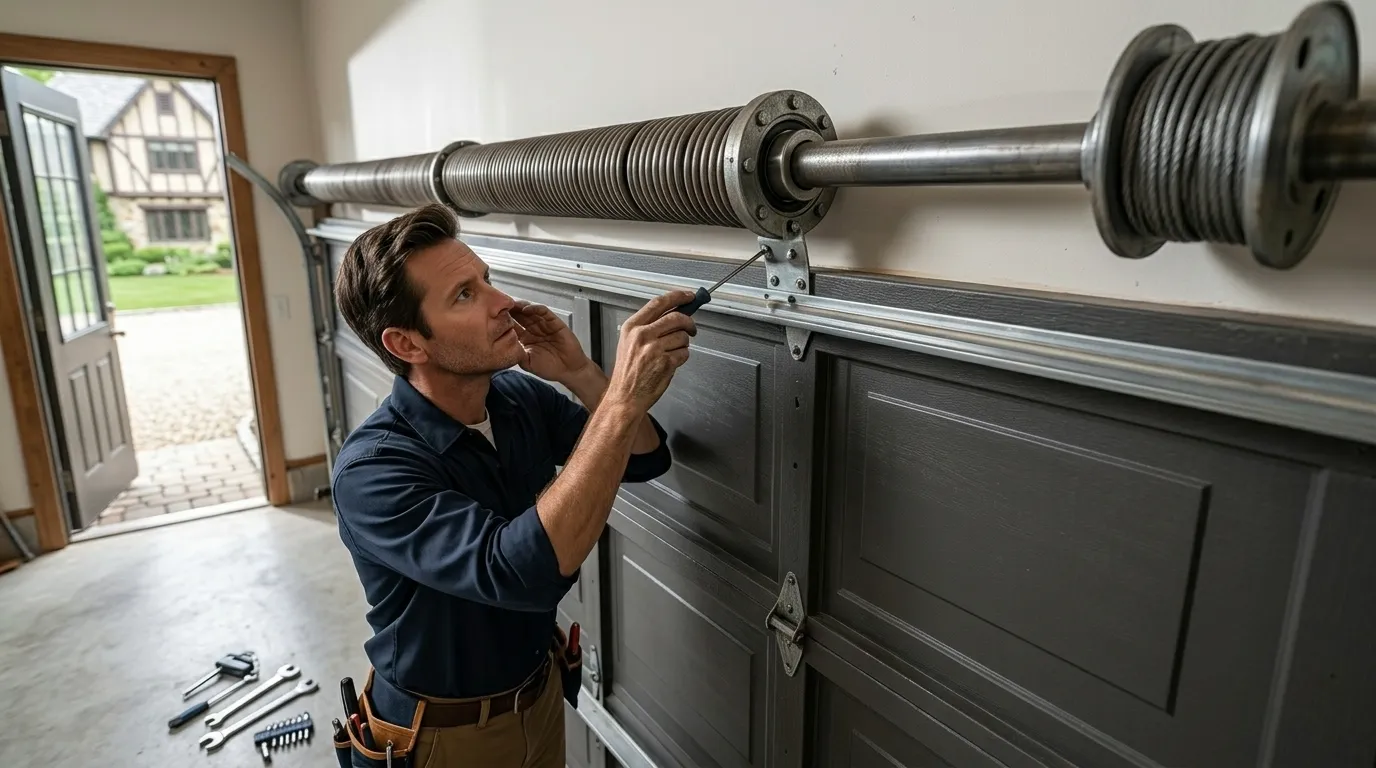
The springs on them are wound to lift a lighter, thinner door than what a homeowner might install today if they replaced it. Across the 32 named communities in this service radius, the stock still leans 1960s and 70s construction, which is a long time for torsion hardware to sit unreplaced. We see original rollers that have never been swapped, tracks bent from decades of small impacts, and openers that predate any safety-reversal standard.
None of that is a defect in the house. It's just what happens when a door built in the mid-1970s is still doing its job fifty years later, mostly because nobody's noticed a reason to stop it.
The area
How Local Conditions Play In
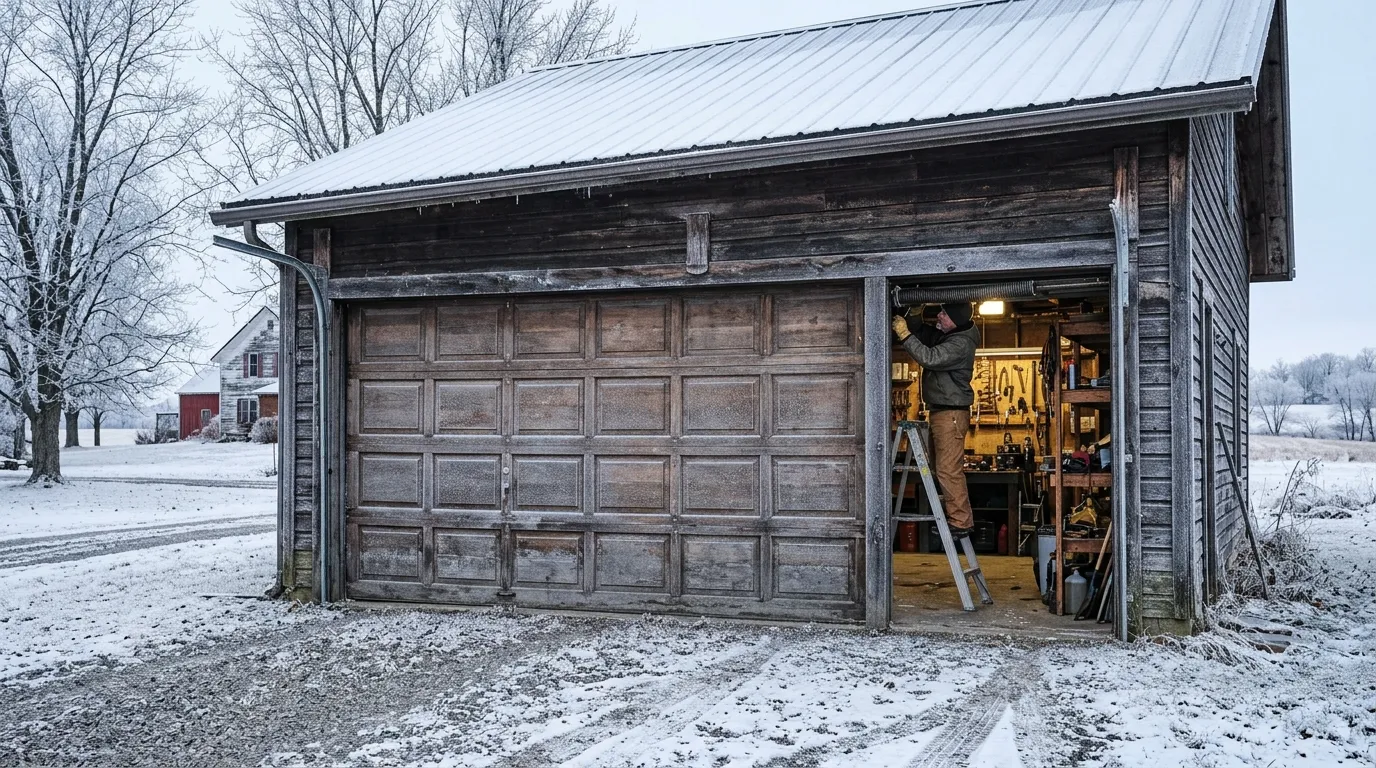
The climate band here is mild temperate - no deep freeze, no snow load, none of the freeze-thaw cycling that cracks panels and snaps springs up north. That's a real advantage for a garage door's lifespan, and it's part of why so many original 1970s doors are still hanging. But mild doesn't mean neutral.
Humidity works slowly on old steel hardware and old wood panels regardless of season, corroding fasteners and swelling seams that were never sealed to modern standards. With a median household income of $77,359 across the service area, most owners we talk to are weighing a full replacement against another repair on a door that's already outlived the building code that would require insulation if it were built today. That's not a bad position to be in - it just means the decision is about the door's age and condition, not about storm damage or extreme weather, because this area doesn't put doors through that kind of stress.
What we find
The Seasonal Bit
Because the climate here doesn't swing into deep cold, you won't get the classic January spring-snap that garages in colder states deal with. What you get instead is steady, slow wear that doesn't announce itself with a season. A cable frays a little more each year.
A roller bearing dries out. None of it is dramatic until the day the door won't open. The household count in this service area runs to about 120,041, with 63,634 of those owner-occupied, and a good share of them are sitting on the same door and opener combination the house came with.
We don't see a big spike in calls tied to a particular month here the way some regions do - the pattern is closer to age catching up all at once. One honest limitation: we can't tell you a door is fine based on how it looks from the driveway. A door that opens smoothly today can have a spring at the end of its cycle count, and the only way to know is to have it checked.
How we work
The Cost of This Job
We don't have a price list to hand you here, because the range on a job like this depends on what's actually wrong and what's on the door now. What we can tell you is what drives it: whether you're replacing a spring or an entire non-insulated panel door, whether the opener is original 1970s equipment that needs a full swap rather than a patch, and whether the track width matches anything still being made or needs a custom order. Older doors sized to houses from the 1964-to-2012 build range sometimes don't match current standard widths, which can turn a same-week repair into a longer lead time on parts.
Given the median household income of $77,359 in this area, a lot of owners ask us to be straight about repair-versus-replace rather than defaulting to the bigger job, and that's a fair question to ask on a door this old. We'll tell you plainly when a repair isn't worth it and when it still has life left.
Questions
Common questions
My garage door is original to the house - is that a problem?
Not by itself. A lot of houses in this area were built in the 1960s and 70s and still have their original doors. The concern isn't age alone, it's whether the springs, cables, and rollers have ever been serviced. A door that's never been touched in fifty years is due for an inspection, even if it still opens fine.
Does Bradenton's climate wear out garage doors faster?
No - the mild temperate climate here is easier on doors than a freeze-thaw climate, since you don't get the cold-snap spring failures common up north. Wear here tends to come from age and slow humidity effects on old hardware rather than any single weather event.
Can you tell me a price over the phone?
Not accurately, no. Cost depends on whether it's a spring, a panel, or a full door, and on older houses the track size sometimes needs a special order rather than a stock part. We'd rather look at it than guess and be wrong.
Ready when you are
Need a garage door sorted in Bradenton?
Bradenton Garage Door Pros repairs and installs garage doors, springs and openers in Bradenton, FL and the surrounding area.