
Guide
Here's What Actually Happens During a Bradenton Service Call
A breakdown of what actually happens when a technician shows up in Bradenton, tied to the age of local housing stock and the region's mild climate.
Local detail
The Problem
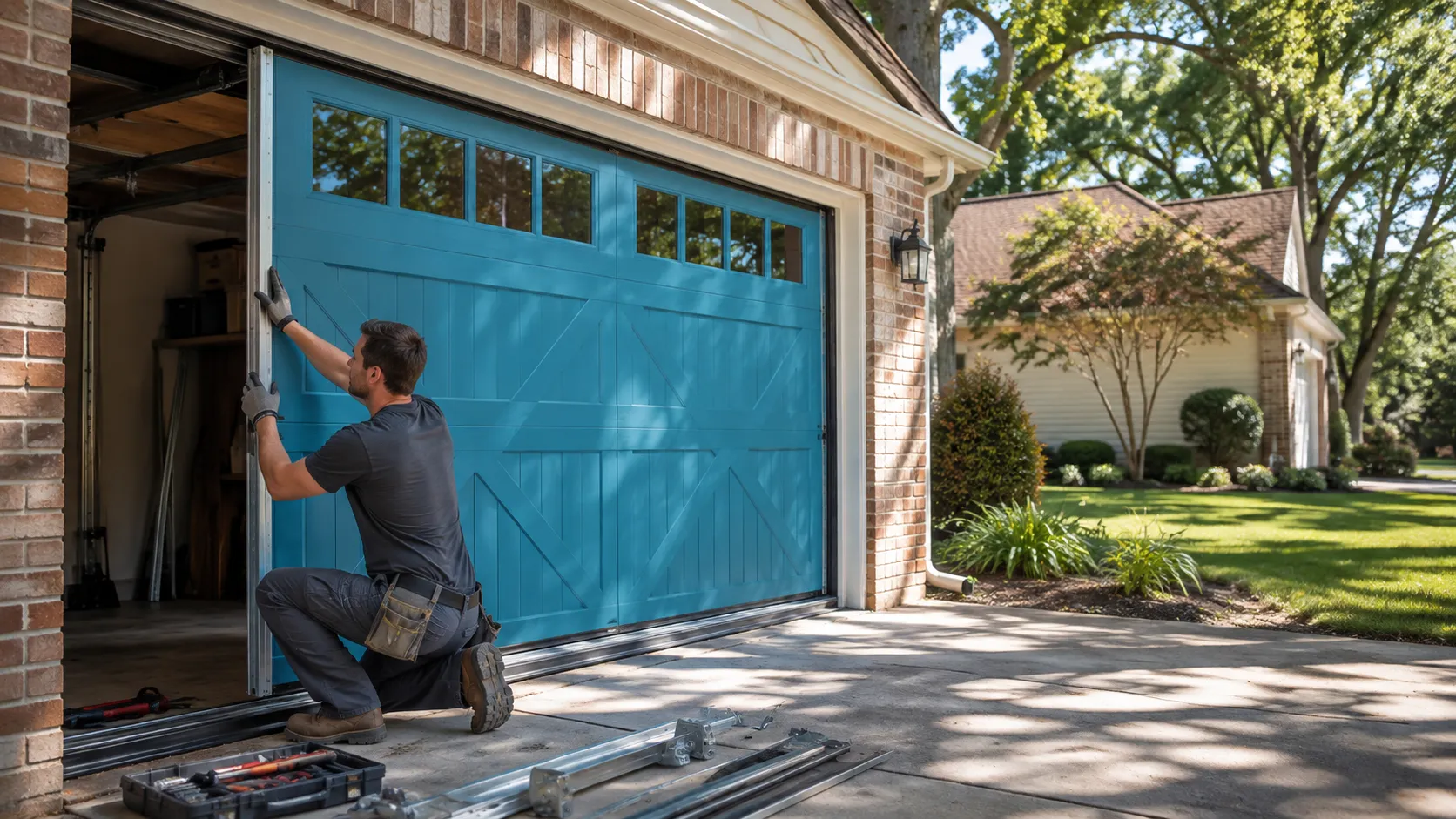
Most of the trouble we get called out for in the Bradenton area comes down to one thing: the door was installed for a house that no longer looks like the house it was installed in. Housing across the service area went up mostly between 1964 and 2012, with the median build year sitting around 1976. That means a big share of the doors we open up still have original torsion hardware, steel tracks bent slightly out of true from forty-plus years of use, and openers that have been swapped once or twice without anyone updating the travel limits or the safety sensors to match.
Across the 32 named areas we work in, from West Samoset to Lakewood Ranch, the pattern repeats: 1960s and 70s bones under newer paint. A service call starts with figuring out which era of hardware you actually have, because a part that fits a 2005 door won't fit a 1978 track, and guessing wrong wastes your time and ours. We check the spring size, the drum type, the track gauge, and whether the opener's logic board is original or a replacement before we quote anything.
The area
How Local Conditions Play In
Bradenton sits in a mild temperate band, which changes what actually wears out on a door here versus somewhere that gets hard freezes. There's no ice load to worry about, no frozen track to thaw before the door will move. What we see instead is steady wear from constant use in warm weather, rubber weatherstripping that hardens and cracks from sustained heat rather than cold, and lubricant that dries out faster than the manufacturer's service interval assumes.
A service call in this climate spends more time checking seals, hinges, and roller wear than it would in a place dealing with winter contraction and expansion. We also look at how the door sits in the opening, because a mild climate means less seasonal shifting of the frame, so if a door is racking or binding, it's usually the hardware, not the house settling around it.
What we find
The Seasonal Bit
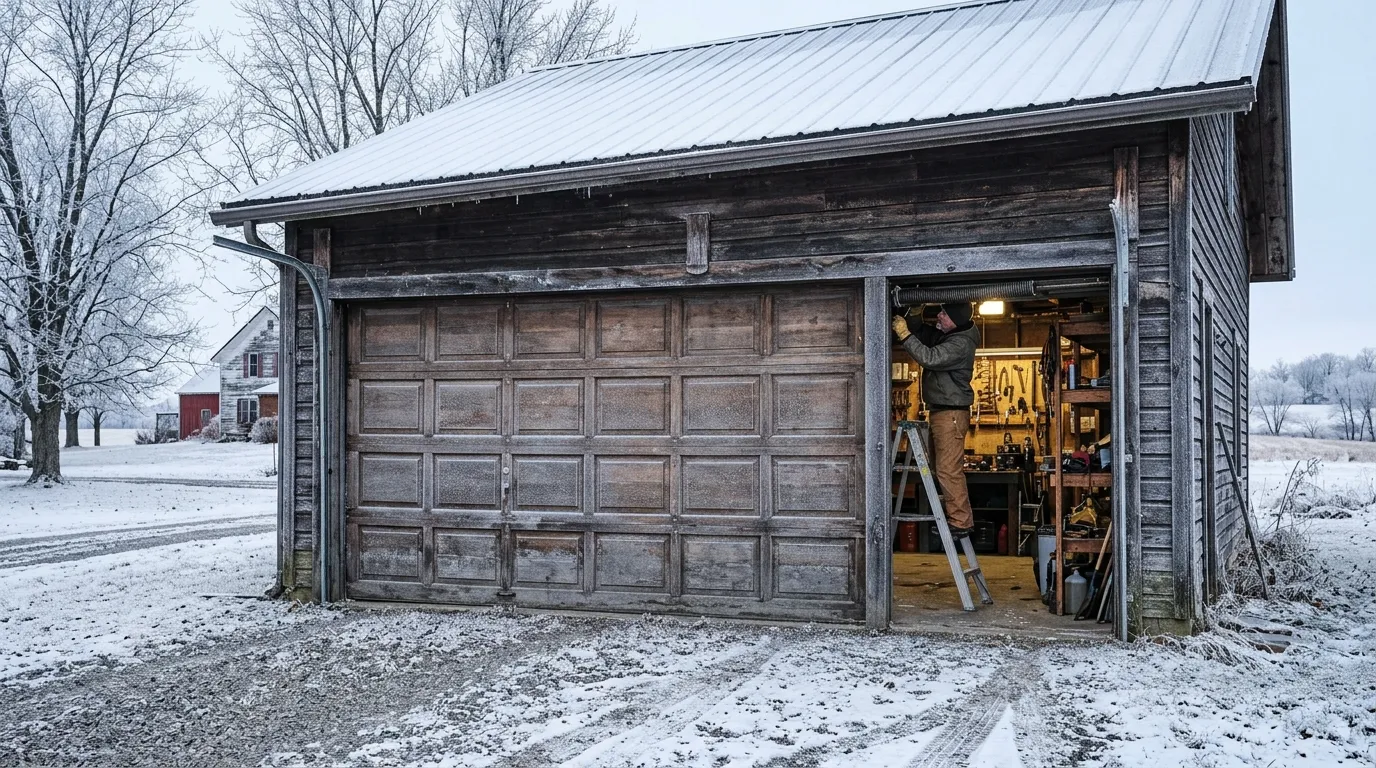
There isn't a hard winter here, so we don't get the usual spring rush of frozen springs snapping the day it warms up. What we get instead is a steadier, flatter call pattern tied to heat rather than cold. Summer stretches put more cycles on openers as people run air conditioning and want the door shut fast, and UV exposure on the exterior face of older panels - especially the wood-look steel doors common in houses from the 1970s and 80s stock across the service area - shows up as fading and warping before anything mechanical fails.
On a service call, that means checking panel condition and seal integrity as carefully as we check springs and cables. One honest limitation: if a door from that era needs a specific replacement panel, we're often looking at a special order rather than something off a shelf, and that can add lead time to a job that would otherwise be quick.
How we work
The Cost of This Job
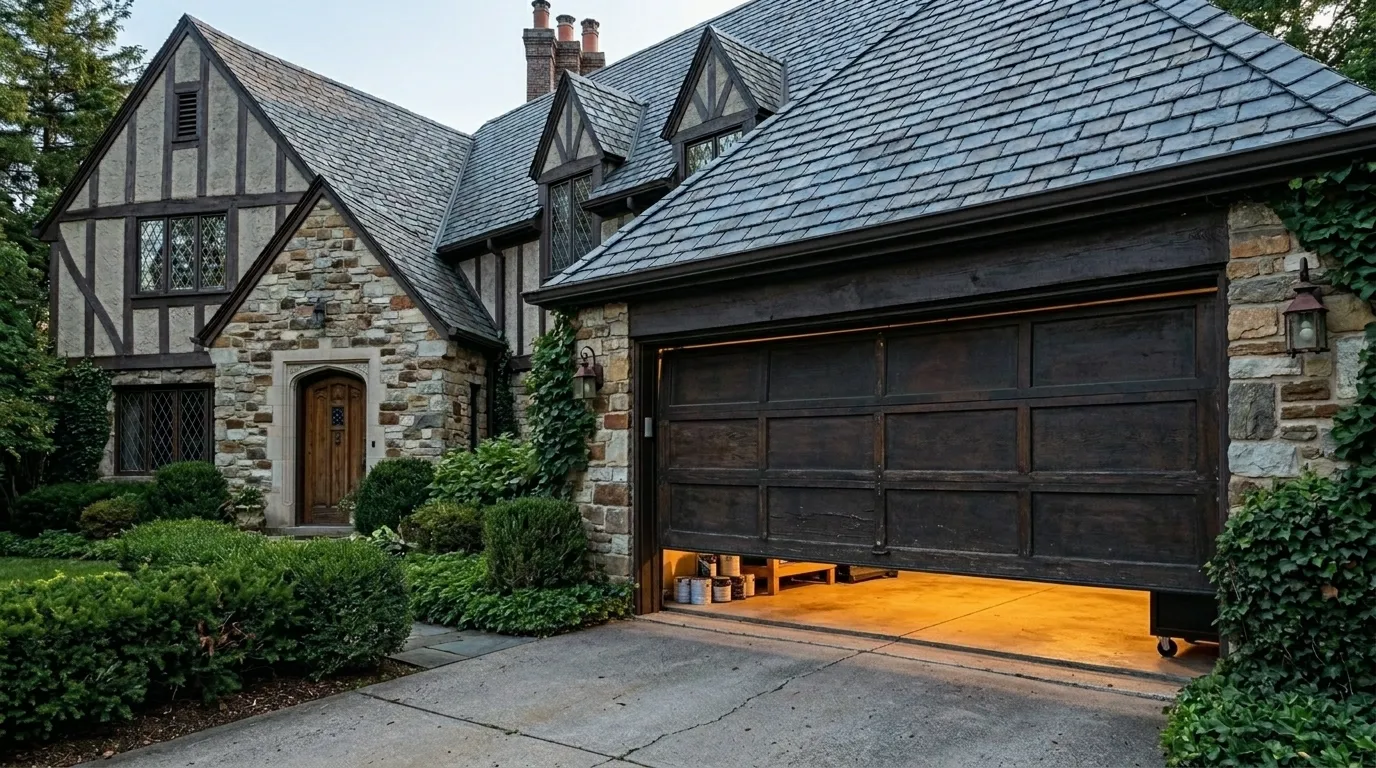
What a call actually covers depends on what's wrong and how old the hardware is, not on a flat number we can quote in advance. With the service area's 120,041 households and 63,634 owner-occupied houses, we see a wide range of setups - some with original 1970s torsion springs still in service, some with openers replaced twice since. A call includes diagnosing the actual failure, not just the symptom: a door that won't open might be a broken spring, a stripped gear in the opener, or a misaligned sensor, and those are three different repairs at three different costs.
Median household income in the area runs $77,359, and that context matters when we talk through repair-versus-replace - sometimes a 45-year-old track system has reached the point where patching it costs more over time than swapping it out. We'll tell you when that's the case instead of billing you piece by piece to find out the hard way.
Questions
Common questions
Will you know what parts my door needs before you arrive?
Not always. Houses in this area span 1964 to 2012 construction, and hardware has often been swapped over the years, so we bring a general parts kit and diagnose on site. If your door needs an older or special-order part, we'll tell you before starting work, not after.
Does Bradenton's climate mean less maintenance than up north?
Less freeze damage, yes, but not less maintenance. The mild temperate climate here wears out seals and lubricant through steady heat rather than cold snaps, so tracks and weatherstripping still need regular checks, just for different reasons.
Is it worth repairing an older door or should I replace it?
Depends on the door's age and what's failing. A lot of homes here still run 1970s-era torsion hardware, and once the track, springs, and opener are all near the end of their life at once, replacement often costs less over time than repeated repairs.
Ready when you are
Need a garage door sorted in Bradenton?
Bradenton Garage Door Pros repairs and installs garage doors, springs and openers in Bradenton, FL and the surrounding area.