
Guide
Is Your Bradenton Garage Door Worth Repairing, or Done
Bradenton homes mostly date 1964-2012, median build year 1976. Here's how that housing stock and our mild climate decide whether your door is worth repairing.
Local detail
The Problem
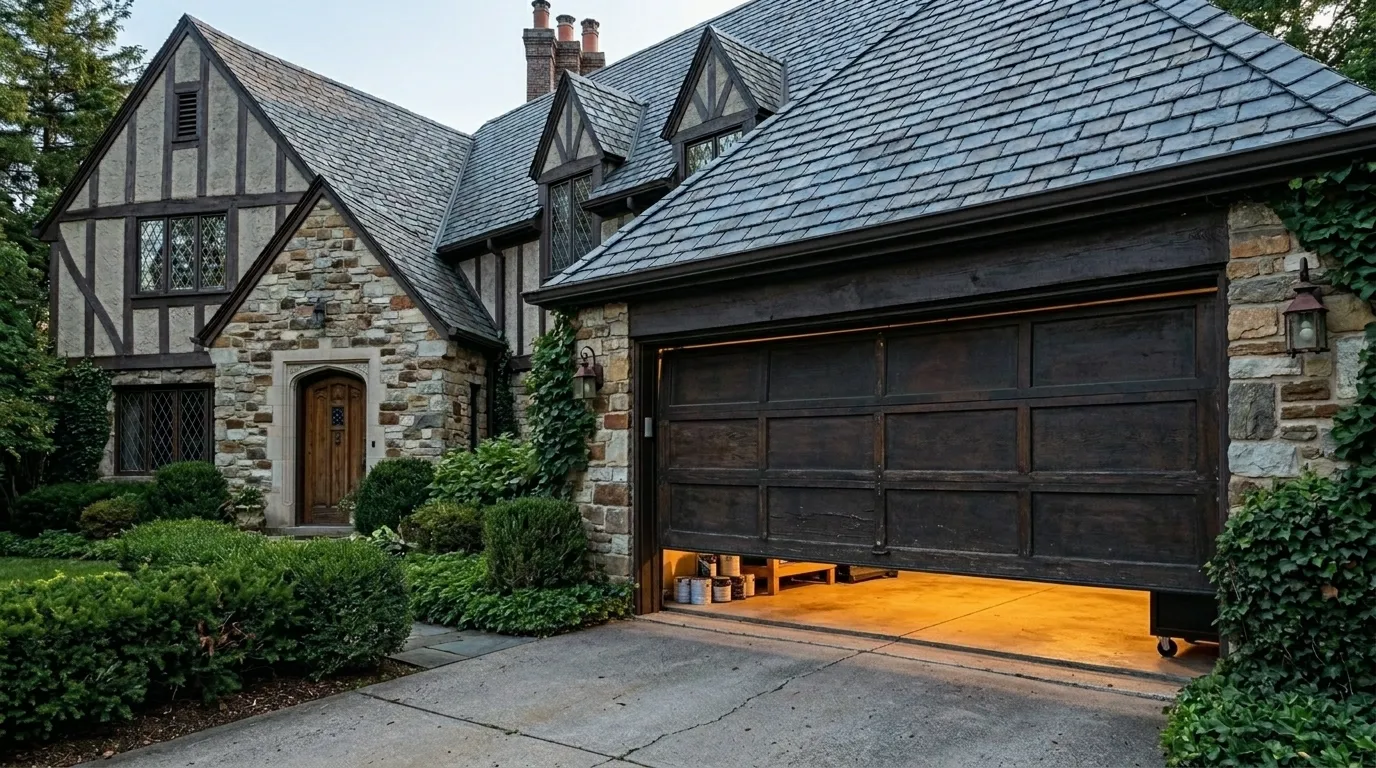
Most of the houses we get called to across this service area went up somewhere between 1964 and 2012, with the median landing around 1976. That's a fifty-year window, and it means we see three generations of garage door hardware on any given street - sometimes on the same block. A door installed when a house was built in the mid-70s is old enough that its track spacing, spring type, and opener mount often don't match anything a supply house stocks today. The question homeowners ask us isn't "can you fix it" - almost anything can be patched once. It's whether patching it is the smart move versus replacing the whole unit.
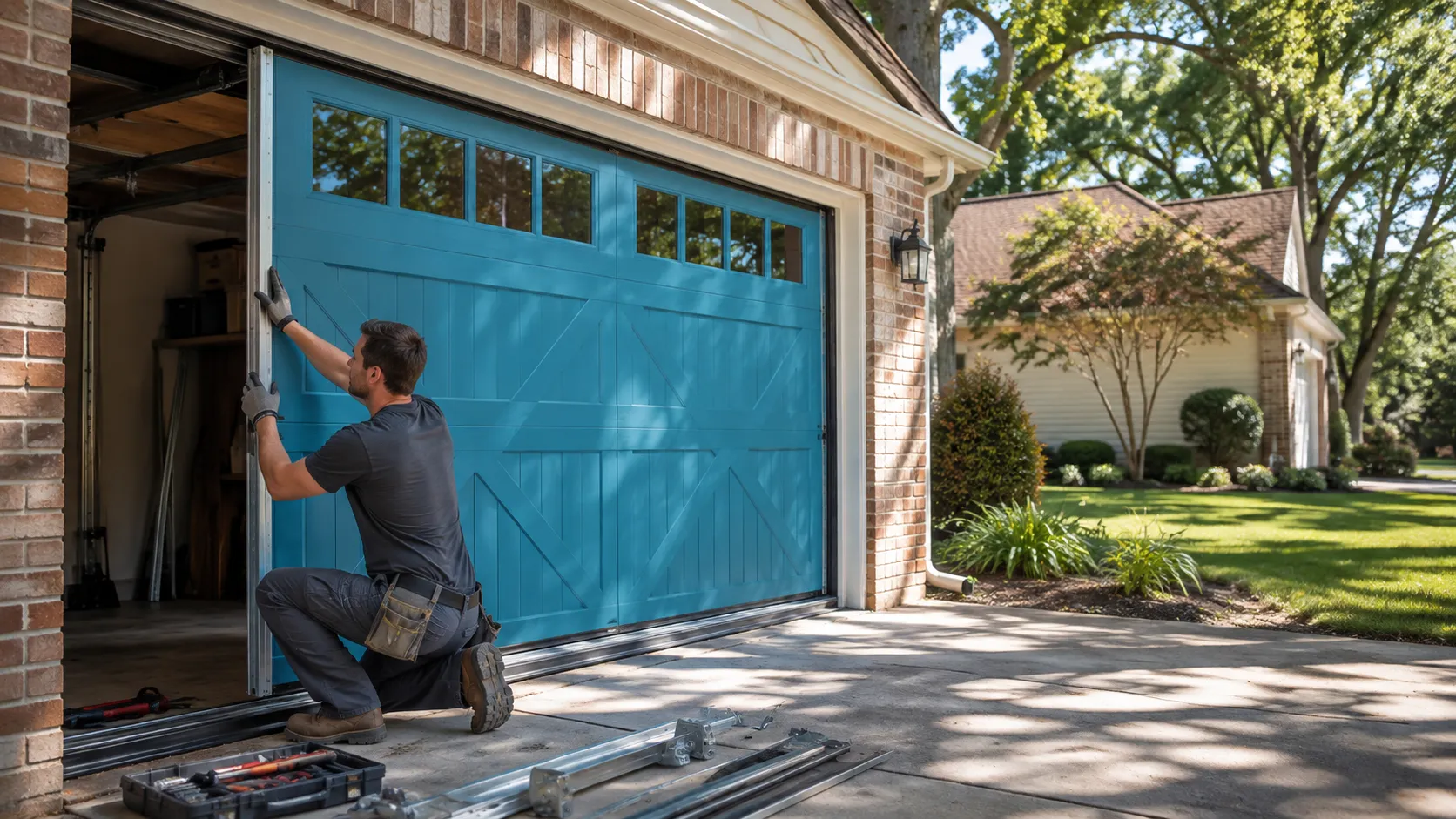
That call comes down to what's actually wrong. A worn roller, a bent hinge, a cable that jumped its drum - those are cheap, quick, and worth fixing on a door of any age. A torsion spring that's original to a 1976-built house has usually already outlived its rated cycle count several times over, and once one goes, the other is close behind. Panels are a different story again: steel panels from that era dent and rust from the inside out, and once the bottom section is compromised, patching one panel on an otherwise sound door can still make sense if the rest of the unit is square and tracking straight.

The area
How Local Conditions Play In
We work a service area that runs from West Samoset and Samoset through South Bradenton, West Bradenton, and Palmetto, all within about two miles, and out to places like Bayshore Gardens and Ellenton a little further off. Across those 32 named areas the housing stock skews the same way - mostly 1960s and 70s construction, with newer infill mixed in. That matters for repair decisions because a door's condition tracks more with build era than with the specific street it sits on.
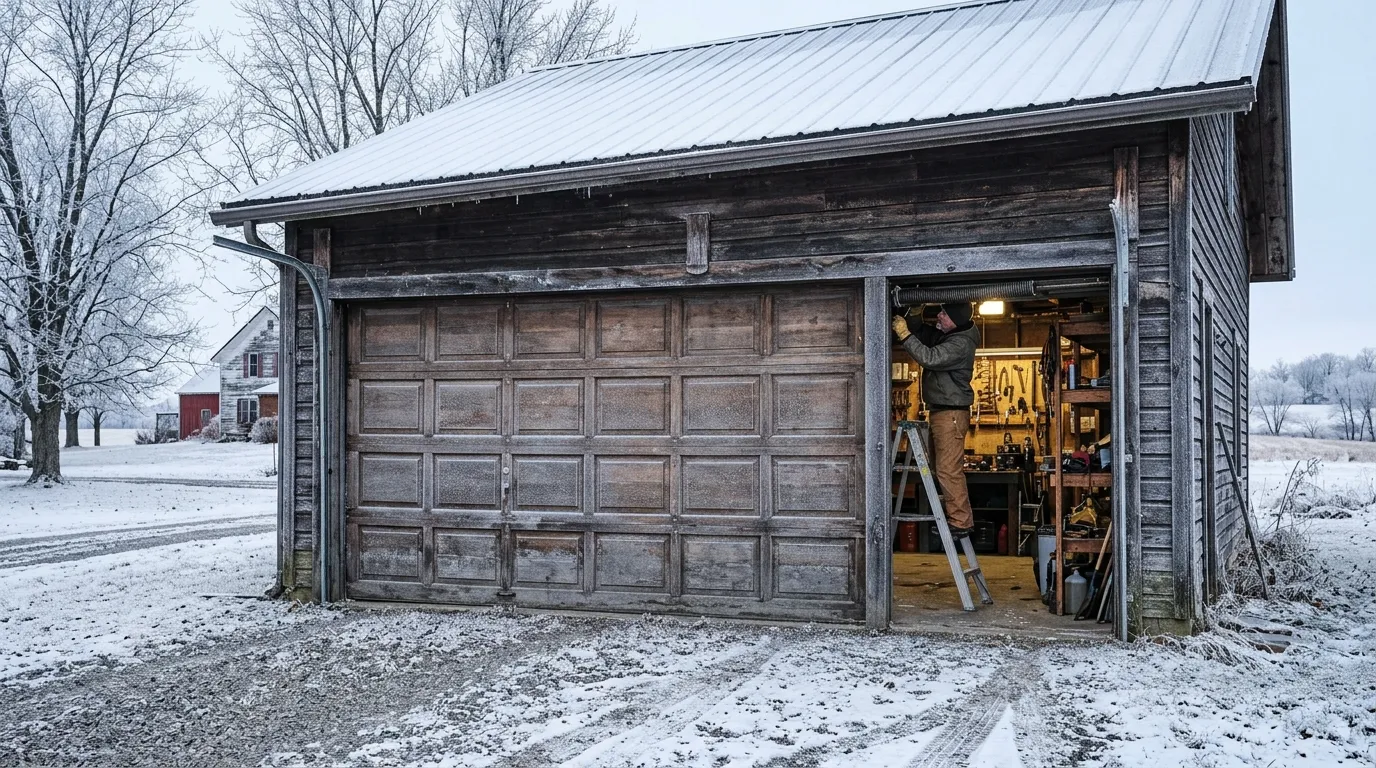
Our climate here is mild temperate - we're not dealing with hard freezes that crack seals or snow load that stresses springs. That actually works in favor of an older door: without freeze-thaw cycling, a track that's still straight and a spring that hasn't corroded through can keep running well past what you'd expect in a harsher climate. The failures we see are more about age and cycle count than weather punishment, which is one reason a 1970s-era door with decent maintenance history can still be a repair candidate rather than an automatic replacement.
What we find
The Seasonal Bit
Because the climate band here is mild rather than extreme, there isn't a hard seasonal cutoff where doors suddenly start failing the way you'd see with a real winter. What we do see is steady, unglamorous wear - humidity working on unsealed steel, hardware that's never been lubricated because nobody thought it needed it, and openers original to houses built decades ago finally giving out from cycle count rather than storm damage.
That's actually good news for the repair-versus-replace call. It means the deciding factor is almost always the hardware itself, not the time of year. If your springs, rollers, and track are original to a house built in the 1976 median range and they've made it this far without seizing up, there's a decent chance they're worth another round of service rather than a full teardown. We don't get the kind of freeze-crack failures that force an all-or-nothing decision on a schedule the weather sets.
How we work
The Cost of This Job
We don't have pricing to publish here that would hold up across every job - what a repair runs depends on what's actually broken, and a same-day spring swap is a different job than replacing a door bent from a backed-into panel. What we can tell you honestly is that the decision usually isn't about your budget line item, it's about age math. A door original to a house from the 1964-2012 window that needs one part - a spring, a cable, a set of rollers - is almost always cheaper to repair than replace, and worth doing.
Where that math flips is when two or three systems fail at once: springs going, track bent, opener original to the house all failing in the same visit. At that point you're paying labor three times over to keep an outdated door limping along. One honest limitation - we can't always tell you which side of that line you're on over the phone. It usually takes a look at the actual hardware in your garage before we'll tell you to spend the money on a repair instead of steering you toward replacement.
Questions
Common questions
My house was built in the 1970s - is the original door worth fixing?
Often, yes. A door from that era with a single failed part - spring, cable, roller - is usually a straightforward repair. The math changes if the track is bent or multiple parts are failing at once, which is common once a door original to a house from the 1964-2012 window nears the end of its cycle life.
Does Bradenton's climate wear out garage doors faster?
Not the way a harsher climate does. We're in a mild temperate band with no hard freeze-thaw cycling, so the failures we see are driven more by age and cycle count than by weather. Humidity affects unsealed steel over time, but it doesn't create the sudden seasonal breakage you'd see up north.
How do I know if I should repair or replace?
It depends on how many systems are failing at once, not just the age of the door. One bad spring or a bent panel on an otherwise square door is usually worth repairing. If springs, track, and opener are all original and all showing wear at the same time, replacement usually costs less over time than repeated repairs.
Ready when you are
Need a garage door sorted in Bradenton?
Bradenton Garage Door Pros repairs and installs garage doors, springs and openers in Bradenton, FL and the surrounding area.